

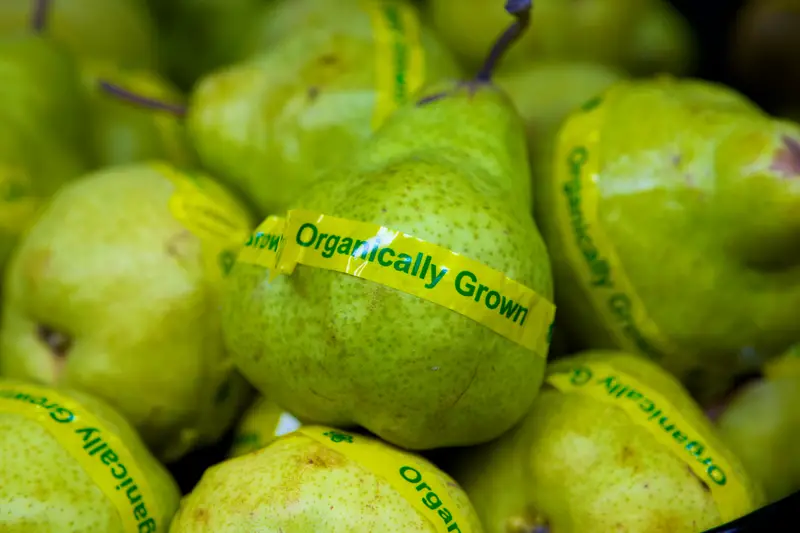
You get home from the grocery store, start unpacking bags, and instinctively peel the stickers off your apples, peaches, and bananas before tossing them into the fruit bowl. It feels productive. It feels tidy. It also might be ruining your fruit before you even get a chance to eat it.
Those little PLU stickers — the ones with the four- or five-digit codes that cashiers use to ring up your produce — are stuck on with adhesive that’s designed to survive cold storage, cross-country shipping, and the constant misting systems at your local grocery store. That glue is no joke. And when you yank a sticker off a ripe peach or a soft banana, you’re often taking a tiny piece of the fruit’s skin with it. That small wound might look like nothing, but it kicks off a chain reaction that sends your fruit toward the trash faster than you’d expect.
The One-Second Mistake That Rots Your Fruit
Here’s what actually happens when you tear a fruit sticker off and nick the skin underneath. The broken cells release an enzyme called polyphenol oxidase, or PPO. Once PPO hits the air and mixes with oxygen, it starts converting phenolic compounds in the fruit into melanin — yes, the same melanin that colors human hair and skin. That reaction is called enzymatic browning, and it happens almost immediately.
You’ve seen it a hundred times. A bruised apple turns brown within minutes. A nicked peach develops a dark, mushy spot by the next day. That browning is technically safe to eat, but nobody wants to bite into fruit that looks and feels like it’s been sitting in the sun for a week. And the longer that damaged area stays exposed to air, the worse it gets. The soft, moist tissue around the wound can eventually become a breeding ground for mold and bacteria. All because you peeled a sticker off three days before you were going to eat it.
Some Fruits Are Way More Vulnerable Than Others
Not all produce is created equal when it comes to sticker damage. Peaches, nectarines, and plums have skin so thin and delicate that even a careful peel can leave behind a tear. Brown spots can show up within hours. Apples seem tougher, but their skin is still thin enough to get pierced during sticker removal if you’re not paying attention.
Bananas are a sneaky problem. A green banana’s skin is firm and holds up fine. But as a banana ripens and develops those brown freckles, the skin gets thinner and more fragile. Trying to peel a sticker off a ripe, freckled banana is practically guaranteed to leave a mark.
On the other hand, mangos, pineapples, and avocados have thick, textured exteriors that shrug off sticker removal without any drama. If you’ve got a bumpy-skinned avocado, go ahead and pull that sticker off whenever you want. It’s not going to care.
The Right Way To Remove Fruit Stickers
The golden rule is simple: leave the sticker on until you’re about to eat the fruit. Not when you unpack your groceries. Not when you arrange your fruit bowl. Right before you eat it.
When that moment comes, don’t just grab and rip. Gently lift the edge of the sticker with your fingernail and slowly peel it off, keeping an eye on whether the skin is coming with it. If the sticker is being stubborn — and they often are — use the edge of a paring knife to carefully get under it without gouging the fruit.
For the really stubborn ones, there’s a trick that works surprisingly well. Soak a paper towel or cotton ball in white vinegar and lay it over the sticker for about 15 minutes. The vinegar breaks down the adhesive, and the sticker should lift right off without taking any skin with it. Just rinse the spot afterward so your apple doesn’t taste like salad dressing.
One more tip: if you buy unripe fruit, you can actually remove stickers while the skin is still firm and tough. A hard, green peach can handle sticker removal much better than a soft, juicy ripe one.
What About That Sticky Residue Left Behind
Even when the sticker comes off cleanly, there’s often a tacky film of adhesive left behind on the fruit. Run your finger over the spot where the sticker was and you can feel it — slightly sticky, slightly gross, and a magnet for dust and any little fibers floating around your kitchen. Biting into that residue doesn’t taste great, either.
The fix is sitting in your pantry. A small dab of peanut butter rubbed over the sticky spot works because the oil in the peanut butter breaks down the adhesive in about five to ten minutes. Wipe it off, give the fruit a rinse, and you’re good. Baking soda and white vinegar work too, and both double as general produce cleaners for removing dirt and residue. Any of these options beats just biting through a patch of industrial-strength glue.
What Those Sticker Codes Actually Mean
Since you’re looking at these stickers anyway, you might as well know what the numbers mean. PLU stands for Price Look-Up, and the codes have been used by grocery stores since 1990 to identify specific types of produce. Today there are over 1,500 PLU codes in circulation, covering everything from Alkmene apples (code 3000) to large yellow mangos (code 4961).
A four-digit code means the fruit was conventionally grown. A five-digit code starting with 9 means it’s organic. So an organic Fuji apple is 94131 — the 9 up front, followed by the conventional code. A five-digit code starting with 8 means the fruit is genetically modified, though you’ll rarely see those in stores. Next time you’re at Kroger or Walmart or wherever you shop, check the numbers. It takes two seconds and tells you more than the “organic” sign hanging above the bin.
Yes, You Can Accidentally Eat a Sticker Without Dying
We’ve all done it. You take a big bite of a pear and realize halfway through chewing that you forgot to pull the sticker off. Relax. Because fruit stickers are stuck directly onto food, the FDA mandates they be made from GRAS materials — that stands for “generally recognized as safe.” The adhesive is food grade, meaning it can touch food without leaching toxic chemicals.
But “food grade” doesn’t mean “food.” The stickers themselves are made from layers of adhesive, facestock (usually paper or plastic), and ink. They provide zero nutritional value, taste like nothing, and can be a choking hazard for small kids. They’ll pass through your digestive system without any problems, but nobody’s recommending you eat them on purpose.
The Compost Problem Nobody Talks About
If you compost at home — or even if your city has a composting program — fruit stickers are a real headache. Most of them are made with a thin layer of plastic and adhesive polymers that don’t break down in water or decompose naturally. Toss a banana peel into your compost bin without removing the sticker, and weeks later you’ll find that tiny piece of plastic still sitting there, barcode still perfectly readable, surrounded by otherwise finished soil.
At one composting facility in New Jersey, workers described the stickers as a total nightmare. They survive shredders, weeks of high temperatures, and screening processes. The stickers are engineered to withstand cold storage and constant water spray in grocery stores — your backyard compost bin doesn’t stand a chance against them. They also shed microplastics that can contaminate the soil and leach toxins into whatever you’re growing.
France actually banned non-home-compostable produce stickers starting in 2022. The U.S. hasn’t gone that far, but the USDA’s Agriculture Research Service has been working on developing compostable, food-grade adhesives made from plant-based materials like fatty oils, proteins, and starches. An Italian company has also been testing laser etching technology that would engrave PLU codes directly onto produce skin, eliminating stickers entirely. For now, though, Americans are stuck peeling stickers off their banana peels before composting — one more annoying step in a process that’s supposed to be simple.
Two Other Produce Mistakes You’re Probably Making
While we’re talking about fruit storage, there are two other common habits that send produce to an early grave. First: stop washing your fruit the second you get home from the store. It feels like the right thing to do, but putting moisture on the fruit’s surface actually promotes bacterial growth. Wash it right before you eat it, not before you store it.
Second: that beautiful fruit bowl on your counter might be sabotaging you. Bananas and avocados produce ethylene gas as they ripen, and when you pile them together with other fruit, they’re basically telling each other to ripen faster. Everything hits its peak at the same time and then starts going bad in a rush. Keep your ethylene producers separated from the rest of your fruit if you want things to last more than a few days.
So the next time you come home with a bag of apples and reach for that little sticker, stop. Leave it alone. It’s doing more good sitting there than the tiny bit of satisfaction you get from peeling it off. Wait until you’re actually about to eat, peel gently, deal with the residue, and your fruit will look and taste better for it. It’s such a small change, but it makes a real difference.
