

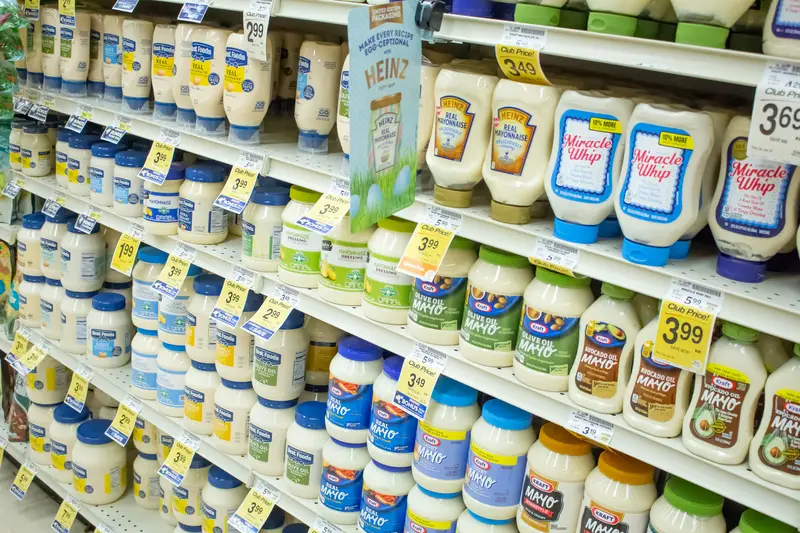
That jar of mayo sitting in your pantry might be causing some serious confusion. Most people think they know exactly where mayo belongs, but the answer isn’t quite as simple as you’d expect. Recently, Kraft Mayo settled a debate that’s been dividing kitchen cabinets across America, and the results might surprise you. Turns out, what you’ve been doing with your mayo after opening it could be affecting how long it stays good and how it tastes on your sandwiches.
The pantry versus fridge debate isn’t what you think
Everyone knows that unopened mayo lives in the pantry. That’s where it sits at the grocery store, and that’s where it goes when you bring it home. The real question is what happens after you twist that lid for the first time. Some people immediately move it to the fridge, while others leave it right there next to the peanut butter. Believe it or not, both groups aren’t completely wrong. Store-bought mayo contains enough acid from vinegar or lemon juice to slow down bacteria growth, making it technically safe at room temperature even after opening.
The NPD Group, a global information company, actually confirmed that commercially produced mayonnaise can sit on your counter without making anyone sick. Commercial mayo uses pasteurized eggs instead of raw ones, plus it has stabilizers and preservatives that keep it shelf-stable. The government food safety experts at FoodSafety.Gov back this up, stating that shelf-stable commercial mayonnaise stays safe when stored at room temperature after opening. So if you’ve been keeping your opened mayo in the pantry and nobody’s gotten sick, that’s why. The catch is that safe doesn’t always mean best quality.
Kraft Mayo says refrigeration matters for taste
When asked directly about where mayo should go, Kraft Mayo gave a pretty clear answer. They told the team at Allrecipes that quality matters more than safety here. According to Kraft, top-tier taste needs top-tier treatment, and that means putting your mayo in the fridge after opening. They want it to chill out, literally. While your mayo won’t spoil on the counter, it won’t taste as good either. The cool temperature of your refrigerator helps maintain that creamy texture and fresh taste that makes mayo worth using in the first place.
When Allrecipes polled their Instagram followers about where they store opened mayo, an overwhelming 97 percent said the fridge. That’s pretty much a landslide victory for team refrigerator. Only 3 percent of people keep their opened mayo at room temperature. So while those few pantry-storage folks aren’t technically wrong or putting anyone in danger, they’re definitely in the minority. The fridge extends the shelf life of your mayo by up to two months longer than room temperature storage, giving you more time to use up that jar before it goes bad.
Your mayo only lasts two months once opened
Here’s something most people don’t know: that jar of mayo doesn’t last forever once you pop it open. Store-bought mayonnaise stays good in the refrigerator for about two months after opening. After that, you’re pushing your luck. Think about how long that jar has been sitting in your fridge door right now. If you can’t remember when you bought it or opened it, that’s probably a sign it’s time to toss it and start fresh. Two months might sound like plenty of time, but if you only use mayo occasionally for the random sandwich or potato salad, it can sneak up on you.
Nutritionist Taylor McClelland Newman recommends checking for signs of spoilage like strong odors or discoloration before using older mayo. The expiration date on the label gives you a good guideline too, but that two-month window after opening is the real deadline to watch. If you keep your mayo in the pantry instead of the fridge, you’re cutting that time even shorter. The warmer temperature speeds up the breakdown process, even though it won’t necessarily make the mayo unsafe. You’ll end up wasting more mayo and spending more money replacing it when it goes bad faster.
Homemade mayo needs extra careful handling
If you’re making mayo from scratch at home, all those room-temperature rules go straight out the window. Homemade mayonnaise only lasts about a week in the fridge, and it absolutely must be refrigerated. There’s no debate here. The difference comes down to what’s actually in homemade mayo versus the store-bought stuff. When you whip up mayo in your kitchen, you’re using raw eggs and probably skipping all those preservatives and stabilizers that commercial brands include. Raw eggs mean a much higher risk of bacteria, especially salmonella.
Newman says homemade mayo should be used within four days of making it, though some sources say up to a week is okay if you’re careful. Either way, you’re looking at less than half the time you get with store-bought mayo. Keep it cold, keep it covered, and don’t let it sit out on the counter while you’re making sandwiches. If you love the taste of homemade mayo, just plan to make smaller batches more often. That way you’re always using fresh mayo without worrying about it going bad. The shorter shelf life is worth it for that fresh-made taste, but only if you’re eating it quickly enough.
Summer cookouts require special mayo rules
That potato salad sitting on the picnic table at your backyard barbecue? It’s got a time limit. Mayo can only sit out at room temperature for two hours before you need to either refrigerate it or throw it away. If the temperature outside is hotter than 90 degrees, which happens pretty much all summer in most places, that window drops to just one hour. This applies to any dish made with mayo, not just the jar itself. Your coleslaw, pasta salad, chicken salad, and deviled eggs are all on the clock once they come out of the fridge.
Newman specifically mentions that summer parties and barbecues require extra attention to food safety when mayo is involved. The warm weather creates perfect conditions for bacteria to grow in mayo-based dishes. If you’re hosting an outdoor party, keep mayo dishes in a cooler with ice packs, or bring them out in smaller portions that you can replace from the fridge. Don’t leave that big bowl of potato salad sitting in the sun all afternoon. Once that time limit hits, bacteria can start multiplying fast, even though the mayo itself has acid that slows growth. The other ingredients mixed in with the mayo don’t have that same protective acid.
Double dipping ruins mayo faster than anything
Want to know the fastest way to contaminate your mayo and make it go bad? Stick a dirty knife back in the jar. Every time you spread mayo on a sandwich and then dip that same knife back in for more, you’re transferring bits of bread, meat, vegetables, and whatever else onto your knife into the jar. Those food particles don’t have the same preservatives and acid that protect the mayo. They can start growing bacteria, mold, or yeast that will spread through the whole jar. It only takes one time putting a contaminated utensil back in the jar to ruin the entire thing.
This is where all those food safety rules about mayo actually matter. The mayo itself might be shelf-stable and acidic enough to resist bacteria, but that protection disappears once you introduce contamination. Use a clean spoon or knife every single time you go into the mayo jar. If you’re making multiple sandwiches, scoop out the amount of mayo you need onto a plate first, then spread from there. Same goes for mixing up potato salad or coleslaw. Get the mayo out of the jar with a clean utensil, then mix it with your other ingredients in a separate bowl. Never let fingers touch the mayo in the jar either. These simple habits keep your mayo fresh and safe longer.
Spotting spoiled mayo is easier than you think
You don’t need to be a food scientist to tell when mayo has gone bad. Your eyes and nose will give you all the information you need. Fresh mayo should be white or slightly off-white, smooth, and creamy. If you open your jar and see any yellowing, browning, or darkening, that’s a red flag. Color changes mean the mayo is breaking down or growing something it shouldn’t. Another dead giveaway is smell. Good mayo has a mild, slightly tangy scent from the vinegar or lemon juice. Bad mayo smells sour, rotten, or just off in a way that makes you wrinkle your nose.
Texture changes also signal problems. If your mayo looks lumpy, separated, or watery instead of smooth and thick, something’s gone wrong. Visible mold is the most obvious sign, though if you see mold, the whole jar needs to go in the trash immediately. Don’t try to scoop out the moldy part and use the rest. Mold sends roots through food that you can’t see. Newman emphasizes watching for these warning signs: changes in color, sour smell, visible mold, and texture changes like lumpiness or separation. When in doubt, throw it out. A new jar of mayo costs a few dollars. Getting sick from bad mayo costs a lot more in misery and doctor visits.
The temperature of your fridge actually matters
Saying mayo belongs in the fridge only works if your fridge is actually cold enough. Your refrigerator should be set at 40 degrees Fahrenheit or lower for proper food storage. Most people never check their fridge temperature and just assume it’s fine. If your fridge is too warm, even by a few degrees, it won’t keep your mayo or any other food fresh for as long as it should. You can buy an inexpensive fridge thermometer at any grocery store or kitchen supply shop. Just stick it on a shelf and check it occasionally to make sure everything’s staying cold enough.
The door of your fridge is actually the warmest spot because it’s exposed to room temperature air every time you open it. That’s why nutrition experts sometimes recommend keeping mayo on an interior shelf instead of in the door, even though the door seems like the most convenient spot. The back of the fridge on a middle or lower shelf stays the coldest and most consistent in temperature. If you go through mayo quickly, the door is probably fine. But if you’re trying to stretch that jar for the full two months, moving it to a colder spot helps. The same goes for other condiments that need refrigeration after opening, like salad dressings and some hot sauces.
Mayo’s bad reputation isn’t really about the mayo
Mayo gets blamed for a lot of food poisoning cases, especially at summer picnics and potlucks. But here’s the thing: the mayo itself usually isn’t the problem. The USDA points out that other ingredients mixed with mayo are typically what cause foodborne illness. Think about what goes into potato salad. You’ve got potatoes, eggs, sometimes onions or celery. All of those ingredients can harbor bacteria if they’re not handled properly. The mayo might be perfectly fine, but if someone used eggs that weren’t cooked all the way or let the potatoes sit out too long before mixing everything together, that’s where the trouble starts.
The acid in mayonnaise, whether it’s from vinegar or lemon juice, actually works against bacteria growth rather than encouraging it. That’s the whole reason commercially produced mayo can technically be shelf-stable even after opening. The problem happens when people make mayo-based dishes and then don’t refrigerate them properly or leave them sitting out too long. The mayo itself isn’t the villain here. Poor food handling practices are what cause most mayo-related food poisoning incidents. So stop blaming the mayo for ruining the church potluck. It was probably the undercooked eggs or the three hours that potato salad spent baking in the sun.
Now you know the real deal about storing mayo. Keep unopened jars in your pantry, then move them to the fridge once you crack them open. You’ll get better taste, longer shelf life, and fewer worries about whether your mayo is still good. That two-month countdown starts the moment you open the jar, so mark it on your calendar if you need to. Check for signs of spoilage before using older mayo, never double-dip with dirty utensils, and remember that summer cookouts require extra care. Your sandwiches, salads, and dips will thank you for treating that mayo right.
