

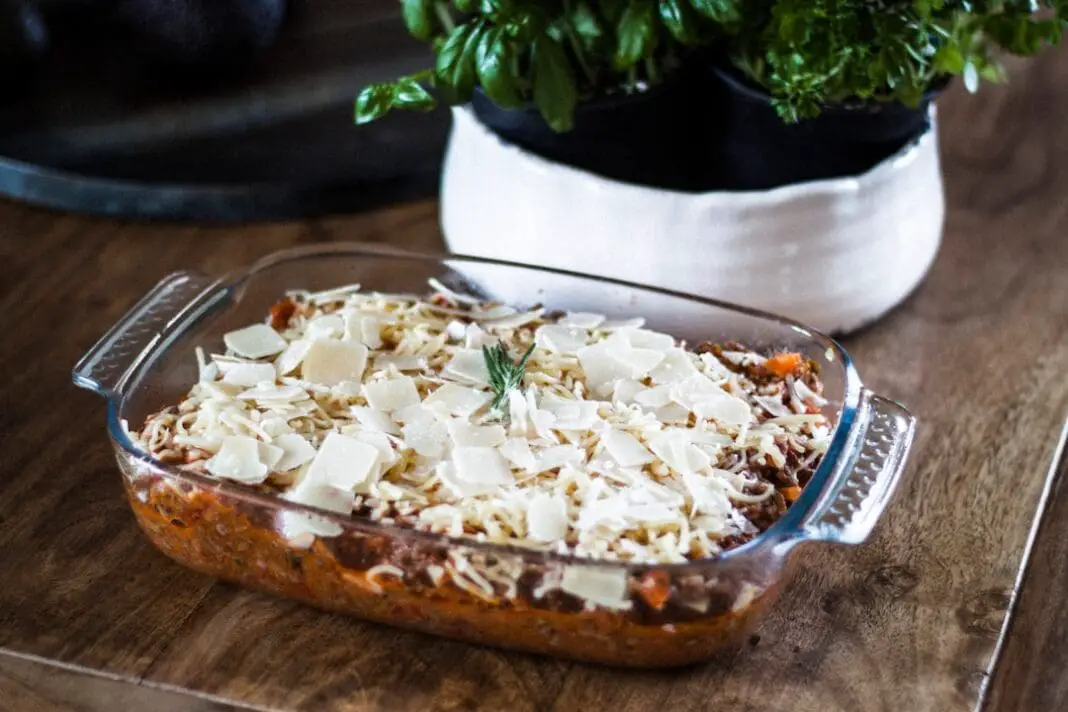
The 9×13 glass dish in your cabinet has probably done everything. Lasagna, banana bread, roast chicken, a tray of brownies for somebody’s bake sale. It handles most of that fine, which is exactly why nobody ever questions it. Glass is slow, steady and non-reactive, so it’s the right call for a bubbling casserole and the wrong call far more often than people realize. Five jobs it should never get: anything that goes under the broiler, dry-roasted foods, crusty bread, roasted vegetables, and sugary bakes like cookies and brownies. Two of those ruin dinner. The other three can crack the dish.
The label on the bottom is where the confusion starts. Oven-safe and heat-proof are not the same claim, and glass has a ceiling that metal simply doesn’t. Here’s the list, worst offender first, ending with the ones that only cost you a good dessert.
1. Anything You Plan To Broil
This is the one that breaks dishes. The maximum temperature a glass dish can take varies by manufacturer, but it’s often around 425 degrees Fahrenheit. Broilers typically run at over 500 degrees. That gap is why a Pyrex dish under the broiler can shatter.
Temperature isn’t the whole problem. A broiler blasts direct heat down onto the food, which is different from the gentler radiant heat of a normal oven bake. That direct hit is what gives fish and vegetables a grill-like finish, and it’s also too fast a change for glass to absorb.
So what about mac and cheese that’s supposed to finish under the broiler for a crispy top? That’s a job for ceramic or stoneware, both of which take higher temperatures than glass, and some brands actually print broiler-safe on the bottom. Otherwise, skip the broiler and the stovetop unless the piece is specifically rated for it. Most glass bakeware isn’t built for direct flame.
2. Dry-Roasted Foods Like Nuts, Croutons And Bare Meat
Glass needs something wet to work with. It relies on oil, water or other liquid to move heat across its surface, so any bare stretch of a glass pan heats unevenly and builds hot spots. Drop a whole chicken into a dry glass dish and the exposed floor around it becomes the weak point where a crack starts.
The fix is to coat the whole pan with enough oil or water, not just a puddle in the middle, and to do it before the dish goes into the oven. Pouring cold liquid into a hot glass dish partway through cooking invites thermal shock, which is the fancy term for a sudden temperature swing that snaps glass.
That rules out an entire category of small jobs. Toasting bread cubes for croutons, roasting nuts or seeds, reheating pastries: none of those let you add liquid, and all of them belong on a metal tray.
3. Crusty Bread And Sourdough
Home bread baking already involves enough failed loaves. Glass adds two more ways to lose. A real artisan loaf needs high heat to set a crust all the way around, which for home bakers means starting at 485 degrees Fahrenheit or higher and finishing the bake around 450 degrees. Both numbers sit well past where glass is comfortable.
Even if the dish survives, the bottom of the loaf won’t impress anyone. Glass never gets hot enough, fast enough, to give bread that crackly base, so you get a pale, soft underside where you wanted crunch. Metal is what produces a crusty loaf.
Soft breads are a different story. If you like cornbread that stays moist top to bottom rather than crisp at the edges, glass gets you there. Quick breads work too. A zucchini loaf or a banana bread bakes low and slow and isn’t chasing a crust in the first place.
4. Roasted Vegetables
A good roast potato is built on contact with a screaming hot surface. Glass doesn’t transfer heat efficiently enough to caramelize that outside layer, so the potatoes cook through and come out beige. Side-by-side cook tests land in the same place every time: vegetables in glass brown slowly, stay softer, and show very pale caramelization, while the same batch in metal gets deep color and crisp edges in less time.
Shape works against you as well. Crisping needs airflow so moisture can escape, and glass dishes usually have taller sides than a flat metal sheet pan. Those walls trap steam, and steamed cauliflower is not what anybody wants when they set out to roast cauliflower.
Soft and silky vegetables are where glass earns its spot. Roasted peppers, creamy eggplant, and especially tomatoes, since glass is non-reactive and won’t throw off the odd flavors that acidic food can pick up from metal. Tomatoes should go in glass.
5. Cookies, Brownies And Sugary Bars
Cookie sheets are metal for one reason: the hot surface starts cooking the bottom of the dough the second it lands. In a glass dish, the cookies get heated from the top and sides first, the sugar melts, and by the time the glass is hot enough to set the bases, the dough has already spread into one continuous sheet of sad cookie.
Brownies fail in a more specific way, and it’s worth understanding because brownie mixes are a $1.25 billion industry in America, according to data from Verified Market Reports. Jerelle Guy, founder of Chocolate for Basil and author of “Black Girl Baking: Wholesome Recipes Inspired by a Soulful Upbringing,” points to heat distribution. “Glass pans don’t hold heat evenly, which can create hot and cold spots and uneven baking for the brownies,” Guy said. Her pick instead: “Light-colored metal pans help the batter bake more evenly and help achieve that chewy edge with a soft center.” Dark metal pans, she added, can cause them to overbake.
Glass is thicker at the sides and edges, so those areas stay hotter longer, which is how you end up with overcooked corners and a raw middle. And there’s a geometry problem nobody mentions until they’re cutting: glass dishes have rounded corners. No corners, no corner piece.
What Glass Actually Does Better Than Metal
Lasagna. Baked ziti. Mac and cheese. Anything creamy and layered that sits in the oven for an hour benefits from slow, gentle heat that keeps the sauce from scorching on the bottom and the sides from drying out. Cobblers, bread puddings and custard pies belong there too.
Glass also wins at the table. It’s a poor conductor, which means it takes forever to warm up and then holds that warmth long after it leaves the oven, so the second helping of casserole is still hot. And because it’s non-reactive, tomato-heavy bakes and lemon bars come out tasting like themselves rather than faintly like a penny.
Saucy chicken is a genuine coin flip. Glass keeps thighs juicy and lets the sauce pool underneath; metal crisps the skin and cooks faster. Pick based on which one you care about more.
Four Handling Rules That Keep Glass In One Piece
Never go straight from fridge or freezer into a hot oven. Let the dish warm up on the counter first.
Never set a hot dish down on a cold or wet counter. Use a dry trivet or a folded towel, and keep it out of the sink.
Never pour cold liquid into a hot glass pan. That includes topping off a roast with cold broth halfway through.
Retire chipped or cracked pieces. A flaw in the rim weakens the whole thing. Also worth checking the box next time you buy: borosilicate glass handles temperature swings better than the tempered soda-lime glass that fills most store shelves now, though it’s gotten harder to find at everyday prices.
If Glass Is All You Own, Drop The Temperature
Recipes are usually written for metal, so a straight swap will burn your edges before the center sets. Many bakers cut about 25 degrees off the oven when moving a metal recipe into glass, or keep the temperature and start checking for doneness earlier than the timer says. Swapping between the two materials can shift the bake by 5 to 10 minutes either way.
Pull glass out slightly before the food looks perfect. It keeps radiating heat on the counter, so a pie or a pan of bars will finish cooking after you think you’re done, and that’s the difference between fudgy and dry.
Pastry chefs and cookbook authors who bake for a living mostly keep glass out of their kitchens, and if you can only buy one pan, buy a light-colored metal one. It roasts, it browns, it goes under the broiler, and it won’t shatter when you set it down wrong. Keep the glass for lasagna night, where it’s genuinely the better dish.
